

“Listening to the Medicine” by Jacky Tollestrup – SNAPLine – 2025.2 — Rabbit Hole Edition
What begins as a playful kitchen mishap quickly evolves into a profound exploration of identity and systemic critique as the narrator and their sharp-witted friend, Marcella, dismantle the heteronormative and colonial frameworks embedded in mid-century pop culture. Transitioning from the cramped domesticity of a suburban kitchen to the “protective field” of a whispering forest, the two navigate the narrator’s recent psychedelic experience with plant medicine in Winnipeg, which unearthed a legacy of generational trauma and stifled queer inheritance. Through their vulnerable dialogue, the story illuminates the “strategic devaluation” of care work and the liberating power of chosen family, concluding that true healing lies in reclaiming one’s erotic joy and listening to the “fierce, earthy” medicine of honest relationships.
“Labels and Liberation” by Jacky Tollestrup – SNAPLine – 2024.3 — Labels Edition
In “Labels and Liberation,” Jacky Tollestrup weaves a vibrant tapestry of memoir and manifesto, tracing a lifelong journey of reclaiming language from the tools of oppression to the instruments of ecstasy. Reflecting on a kaleidoscopic past—ranging from street-level sex work and varsity athletics to the rigid hallways of academia and the medical establishment—Tollestrup explores how labels like “queer” were transformed from slurs into self-ascribed badges of power and subversion. By contrasting the clinical, sterility of traditional sex education with the messy, multilingual reality of trans and non-binary desire, the narrative champions the right to self-definition. Ultimately, Tollestrup argues that by eroding restrictive binaries and curating a personal library of “ecstatic yeses,” we authorise others to find their own place within the shifting mosaic of human liberation.
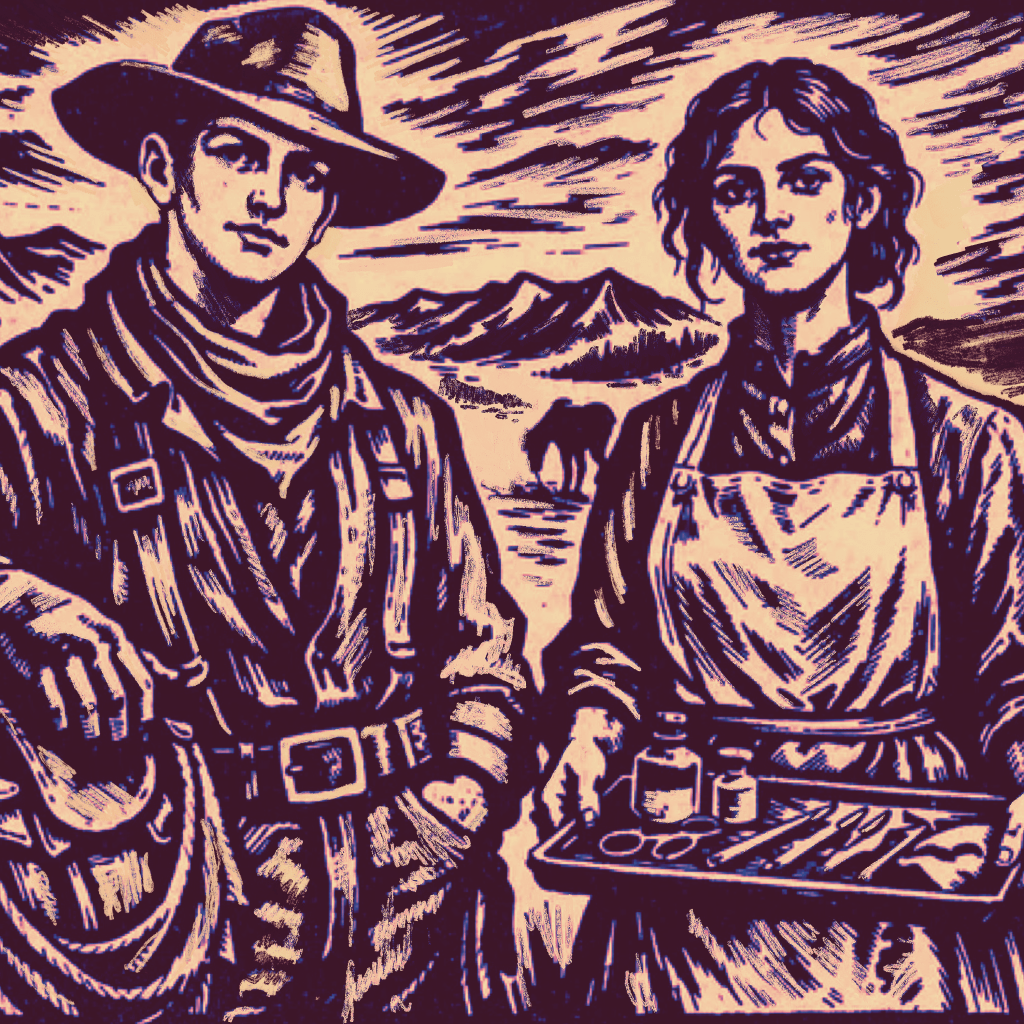
“Dancing Creek” A future novel by Jacky Tollestrup
Dancing Creek is a historical fiction novel set in 1884 in the North West Territories (southern Alberta District), in the months before the North-West Resistance.
Eli is a ranch hand who has moved to the territory to leave her family behind. As a woman often initially mistaken for a man, she has put the width of the country between herself and the congregation her father built and the network of true believers who she fears, have never stopped looking for her. Dancing Creek is the furthest west she has gone, and she has been careful, and the careful life has held — until it doesn’t.
Victoria has arrived in Dancing Creek as the assistant to a physician whose credentials don’t bear examining. She is a surgeon in all but name and legal standing, practicing at night in a shed behind the drug store on a hog to continue the education that was cut short only a year before. She knows who Eli is before Eli tells her. They have a shared social geography that will come to light as they learn this new geography.
When a man from Eli’s past steps off the noon stagecoach with a daguerreotype and a purpose, the two women find themselves in an alliance that is also, quietly and with considerable restraint on both sides, something more than that.
Around them, the territory is in motion. The petition to Ottawa has been refused. Riel is in the north. The Métis families along the creek are watching the land notices arrive faster than they should. A railway spur is being mapped through country that certain interests would prefer to see classified as empty. The network of people who have been quietly keeping each other alive — a bartender who has not spoken a full sentence in six years, a stopping house keeper on the Macleod Trail, a woman outside Fort Macleod who has been running a safe house, a musician who has already seen this story end badly in another country — are being asked whether they are willing to be something more deliberate than neighbours.
Dancing Creek is a novel about what people build in the space between who they are and who the world will allow them to be, and what it costs them to defend it.
 Jacky Tollestrup